

- Loopholes that allow for such practices, including the SRR loophole
- Canada, alongside the United States and many other countries, does not report emissions from and removals by the LULUCF
- Will we truly achieve net-zero emissions by 2030 or 2050, or will they all be hidden behind lobbyists who push for cost-saving practices
We can all recall the unforgettable wildfire that Canada experienced in early May of 2023, which reached the United States, United Kingdom, and Europe. According to the Copernicus Atmosphere Monitoring Service (CAMS), the 2023 wildfires in Canada contributed to 480 megatonnes of carbon, accounting for 23% of the total global carbon emissions from wildfires. This marked a five-fold increase compared to the previous 20 years.
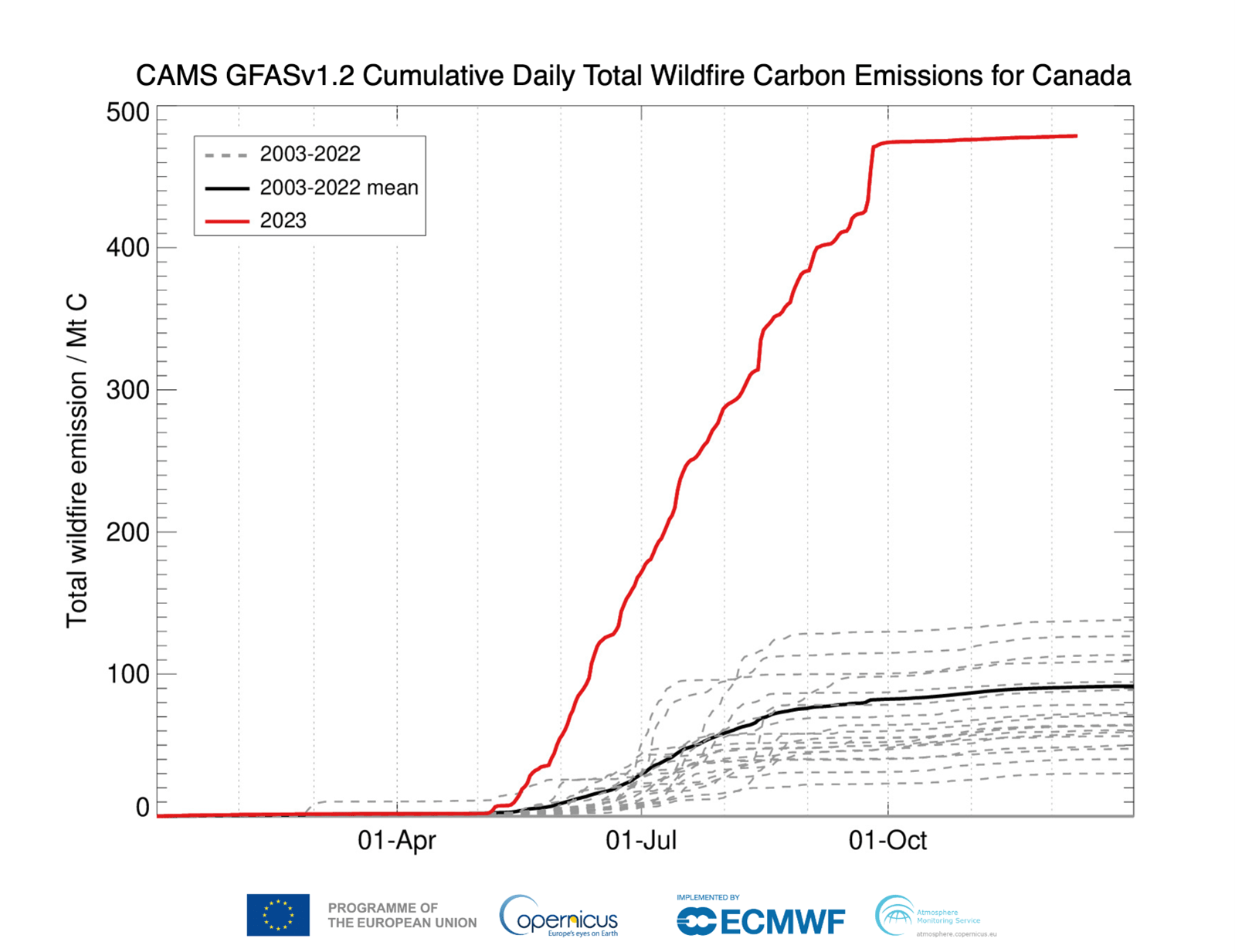
As a result of international reporting practices from the “IPCC Good Practice Guidance for Land Use, Land-Use Change, and Forestry (LULUCF),” Canada, alongside the United States and many other countries, do not report emissions from and removals by the LULUCF sector in their National Inventory Report (NIR). With the exception of the European Union, which recently included all emissions and removals reported for all managed land in the Union in an announcement on October 2023. I’ll add, when reviewing the Paris Agreement and Kyoto Protocol, both exempt emissions from military activities.
You might be thinking, “Are there tax subsidies being allocated for the purchase of carbon credits to offset these emissions?” No! Based on these loopholes, comes the opinion piece of today.
In 2022, eight (8) well-known maritime shipping companies had a combined carbon footprint totaling 190.176 million metric tons of CO2.
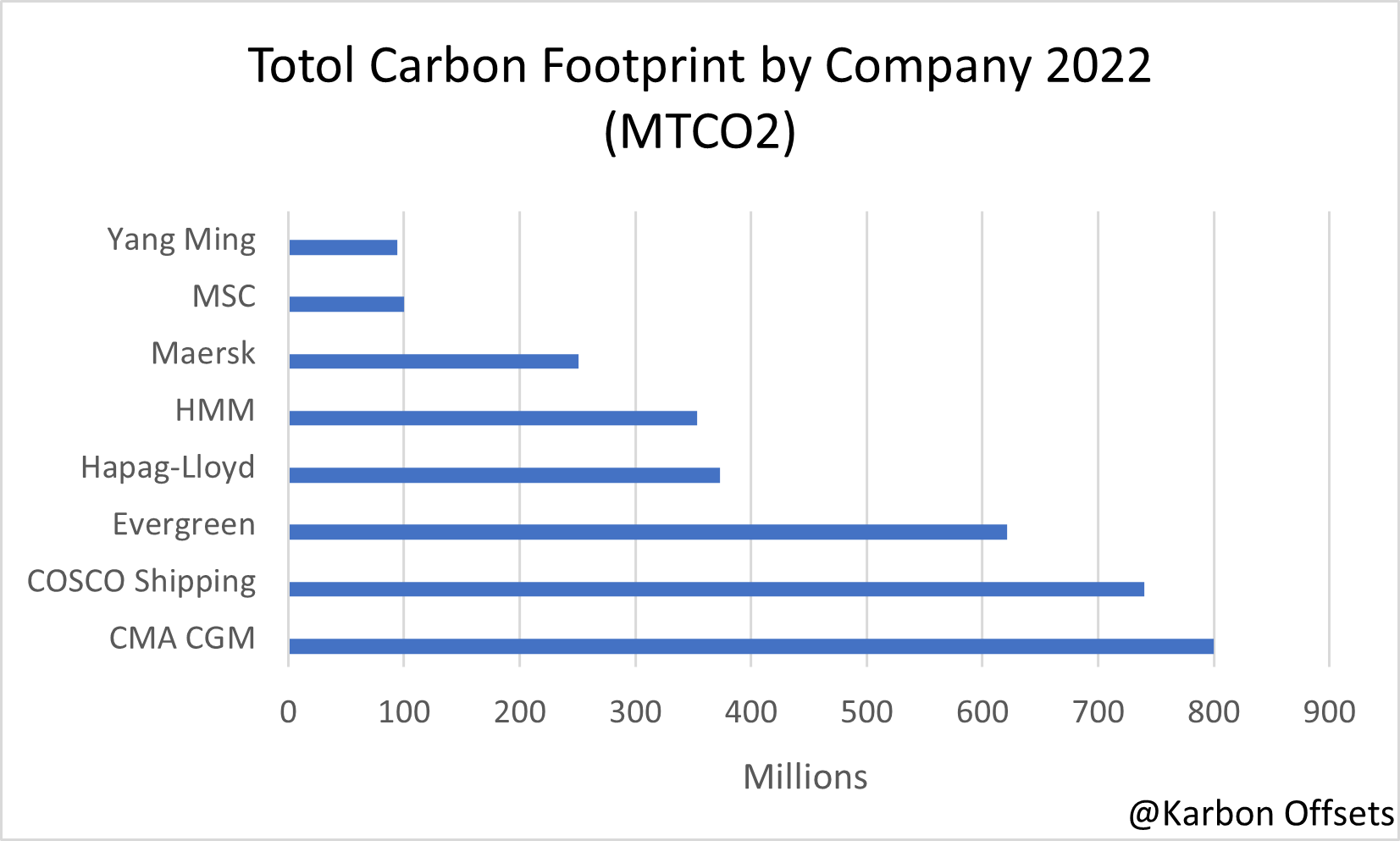
With the increasing geopolitical risks in the Red Sea linked to maritime vessels taking longer routes from Asia to Europe via the Cape of Good Hope—adding roughly 36 days compared to 18 days, depending on the vessel’s size and knot speed—these factors are expected to significantly influence the CO2 emissions of the international shipping industry.

Here’s the thing. Many Heads of Corporate Sustainability or the big four (4) tax reporting agencies, who are consultants to some of these shipping companies, are sure to be already pondering the growing CO2 emissions because of the longer trips and how to mitigate them.
Currently, seven (7) shipping companies have decided to halt travels through the Red Sea and detour through the Cape of Good Hope. Amongst the seven companies, will their Heads of Corporate Sustainability or consultants be pushed to omit these long routes carbon emissions from 2024 counts? We may not arrive at these findings until the end of the year, indicated in footnotes for transparency by these shipping companies or maybe offsetted through the purchase of carbon offsets.
Rest assured, this will be a small sliver compared to the countless loopholes that allow for such practices, including the SRR loophole. We should ask ourselves one question: Will we truly achieve net-zero emissions by 2030 or 2050, or will they all be hidden behind lobbyists who push for cost-saving practices that continue to harm the seas and our mother Earth?
By: Kleber Ofume